Computer Science graduate (BSc, First Class, University of Portsmouth) working as a Software Consultant at Imagic, specialising in image processing, computer vision and robotics, and focused on applying technology to improve everyday life.
I'm a logical, creative problem solver who enjoys working across hardware and software, from microcontrollers and sensor networks to ROS-based robots and VR interfaces.
Across personal, academic and professional projects I've focused on software development, IoT, automation, computer vision, robotics, and 3D graphics & animation, with exposure to industry-leading applications. I'm always looking to develop myself and my peers.
I work with multinational clients and system integrators. Previously at Keyence, I implemented camera systems for in-line inspection, gauging and robot guidance, providing computer vision consulting to global manufacturers across the automotive, pharmaceutical, consumer electronics and consumer goods sectors.
End-to-end preparation, installation, commissioning and configuration of industrial digital image management systems across server and client environments, including cameras, microscopes and peripheral hardware.
Workflow analysis and database architecture design, LDAP integration, and developing and consuming RESTful APIs.
Developing internal applications and customer data aggregation pipelines using Python, JavaScript, TypeScript and React.
Ongoing system support, user training, maintenance and full lifecycle documentation.
Previous Role
Consulting Engineer (Vision Specialist)
Keyence · June 2022 – May 2024 · Hybrid
Implemented camera systems for in-line inspection, gauging and robot guidance.
Technical management and support, and development of applications for major automotive, pharmaceutical and consumer brands.
Developed and implemented KPIs to analyse and correlate technical involvement within sales processes.
Field-focused training, support and key account development; took on the Vision Specialist role from March 2023.
Qualifications
Computer Science BSc (Hons): First Class, University of Portsmouth (2018 – 2022)
Earlier: customer-facing roles in retail sales and leisure supervision
Skills
Effective communicator & team player
Electronics & computer hardware
Desktop computer builds
Software Development
Research & Development
Languages
C++ / C# / Java
Python
JavaScript / TypeScript, React, HTML5 & CSS3
Lua
SQL
Tools & Platforms
Docker, microservice architecture & middleware
Windows Server, Microsoft SQL Server & Oracle databases
ROS, Linux (Ubuntu), Raspberry Pi & Arduino
ESP8266 / NodeMCU, MQTT & AWS IoT
V-REP (CoppeliaSim) & Oculus / Meta Quest VR
Career objective
My career objective is to improve everyday life through the application of technology.
I'm most interested in systems analysis, systems integration and similar systems-oriented roles, drawn by the
complexity and heterogeneous nature of real-world systems. My most valuable skill is working creatively within
logical constraints, backed by strengths in analysis, planning, organisation, modelling and communication.
I prefer hybrid working and am happy to travel.
Activity
// Straight from GitHub.
Contributions
// Contributions in the last year, updated weekly.
// Selected work from industry roles. Client and employer details are kept confidential.
2022 – 2024 · medical industry
Vision inspection for medical packaging
Specified and configured camera-based inspection systems to verify packaging quality for a medical-industry manufacturer, to the standards the sector demands.
Implemented laser scanning systems for in-line measurement and gauging of automotive components, turning 3D profile data into reliable pass/fail decisions on the production line.
laser profiling · 3D measurement · gauging
2022 – 2024 · robotics
Vision-guided robotics
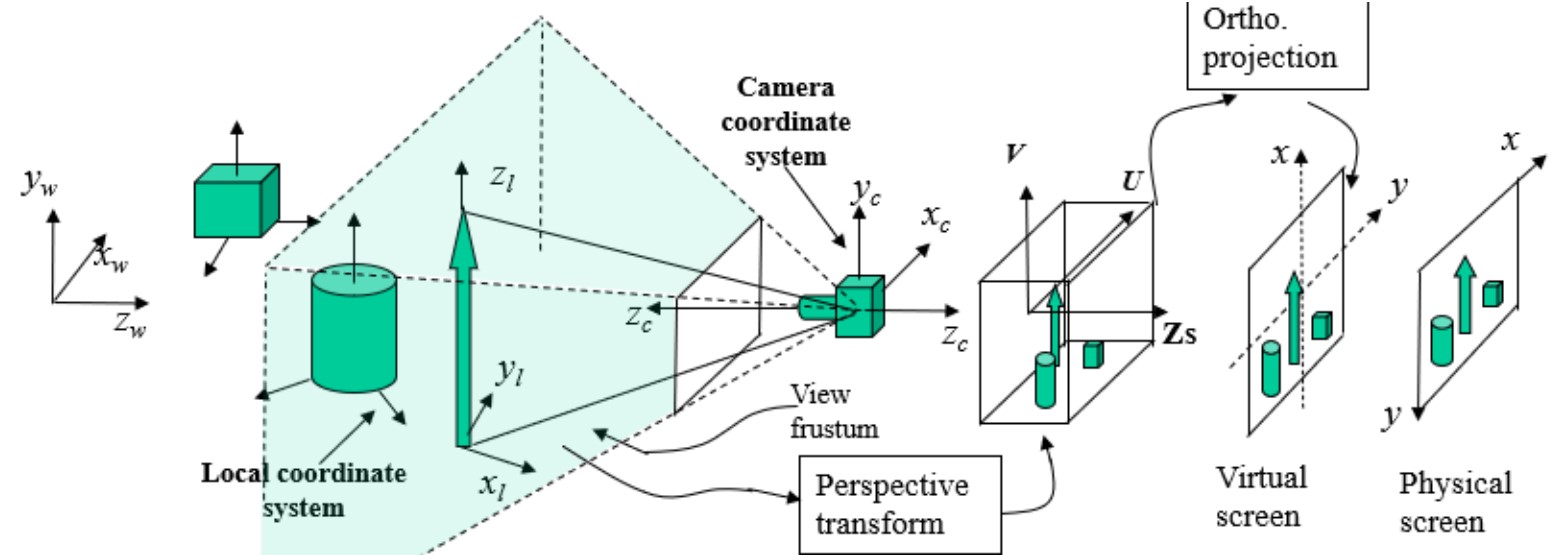
Built robot guidance systems using telecentric camera optics for accurate, distortion-free measurement, and implemented the coordinate conversion between camera and robot frames so robots could locate and handle parts precisely.
Integrated industrial image management systems with customers’ software by developing and consuming RESTful APIs, connecting imaging workflows to wider business systems.
REST · JSON/XML · Python · JavaScript/TypeScript
2024 – present · image management
Standard configuration & client customisation
Delivered image management systems built on a standard core configuration that every deployment includes, then heavily customised for each client’s workflows, hardware and requirements, keeping installations consistent and supportable.
Developed an application to generate software licence files for customer deployments, making it quick and consistent to produce the correct licence for each installation.
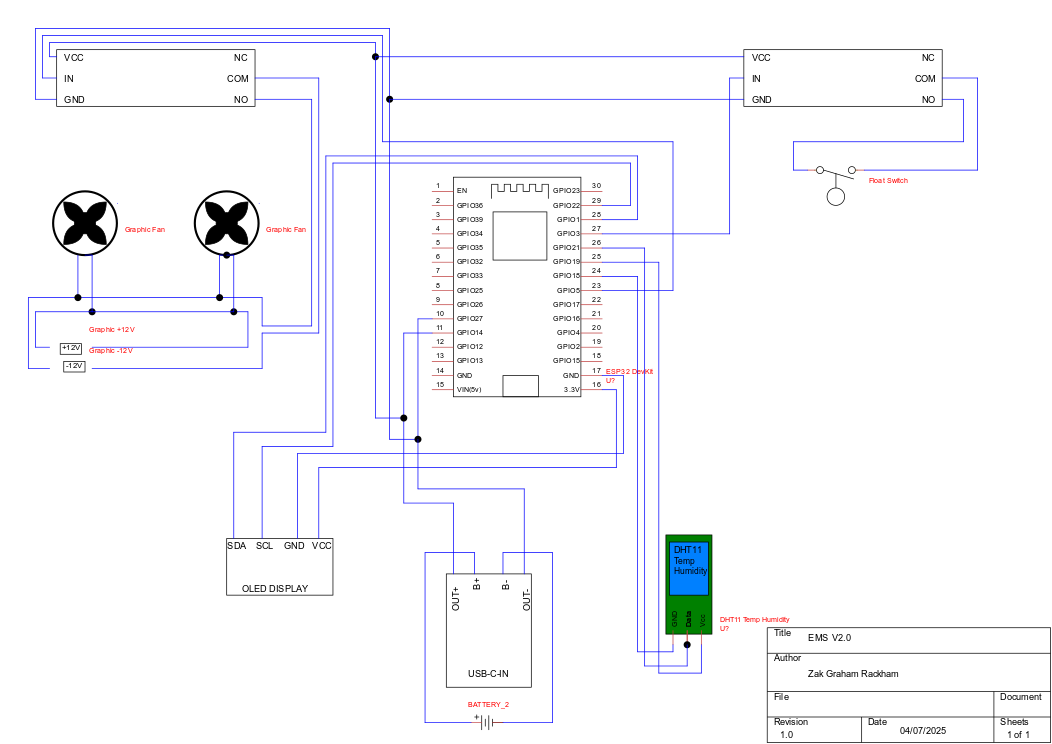
This project designs and implements an environment management system that can be applied to various use cases, explored here as a terrarium management system for the domestic
keeping of a crested gecko. It uses a NodeMCU v3.0 microcontroller and relays powered by standard 18650 batteries,
with MQTT for the IoT network.
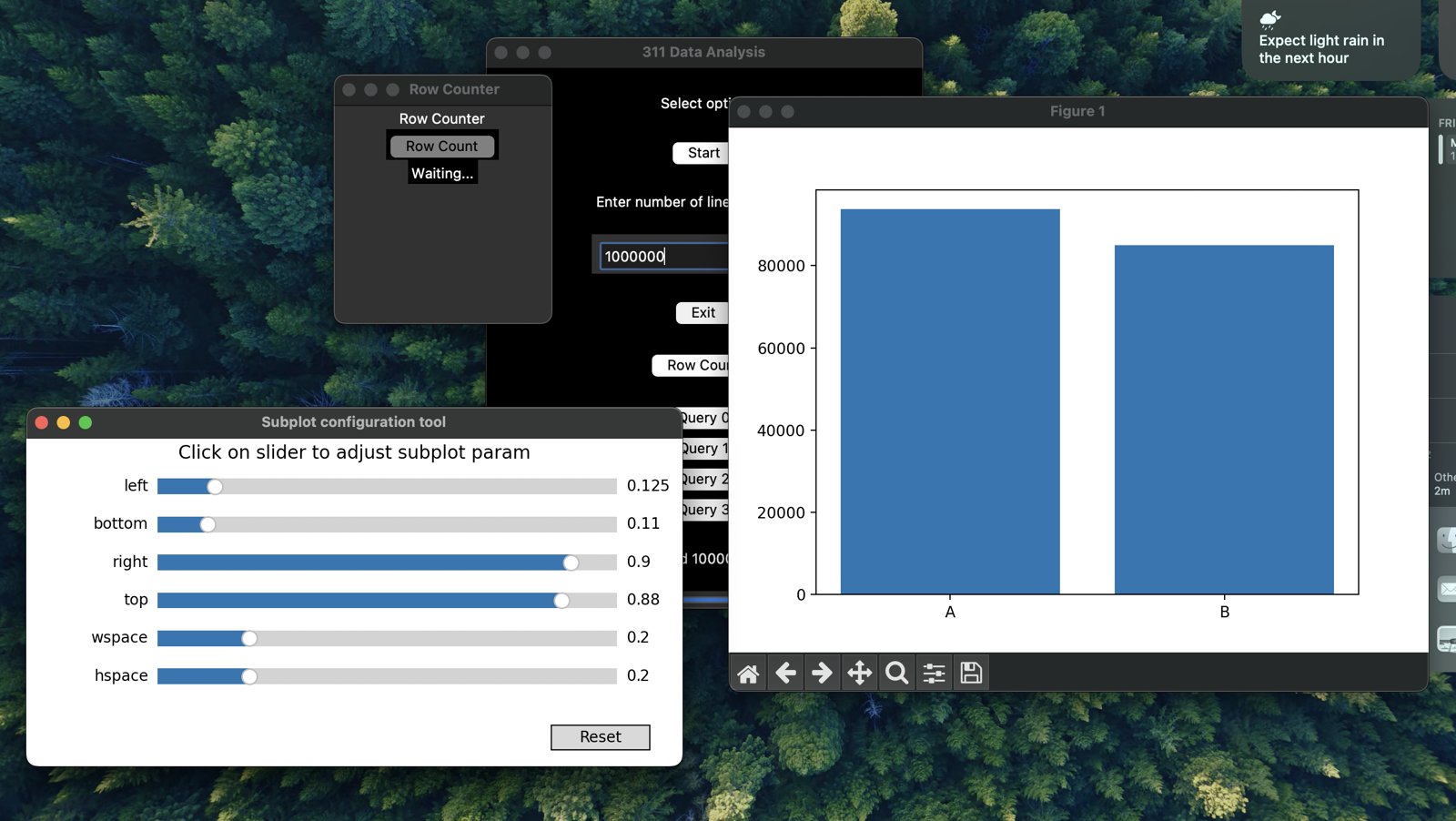
This project analyses a large data set of logged 311 calls, a government-run non-emergency service in NYC. Tkinter is used for the GUI, the csv library for
data reading and fragmentation, and matplotlib for data visualisation. A report assesses the implementation against a proposed SQL solution
and considers improvements for the next iteration.
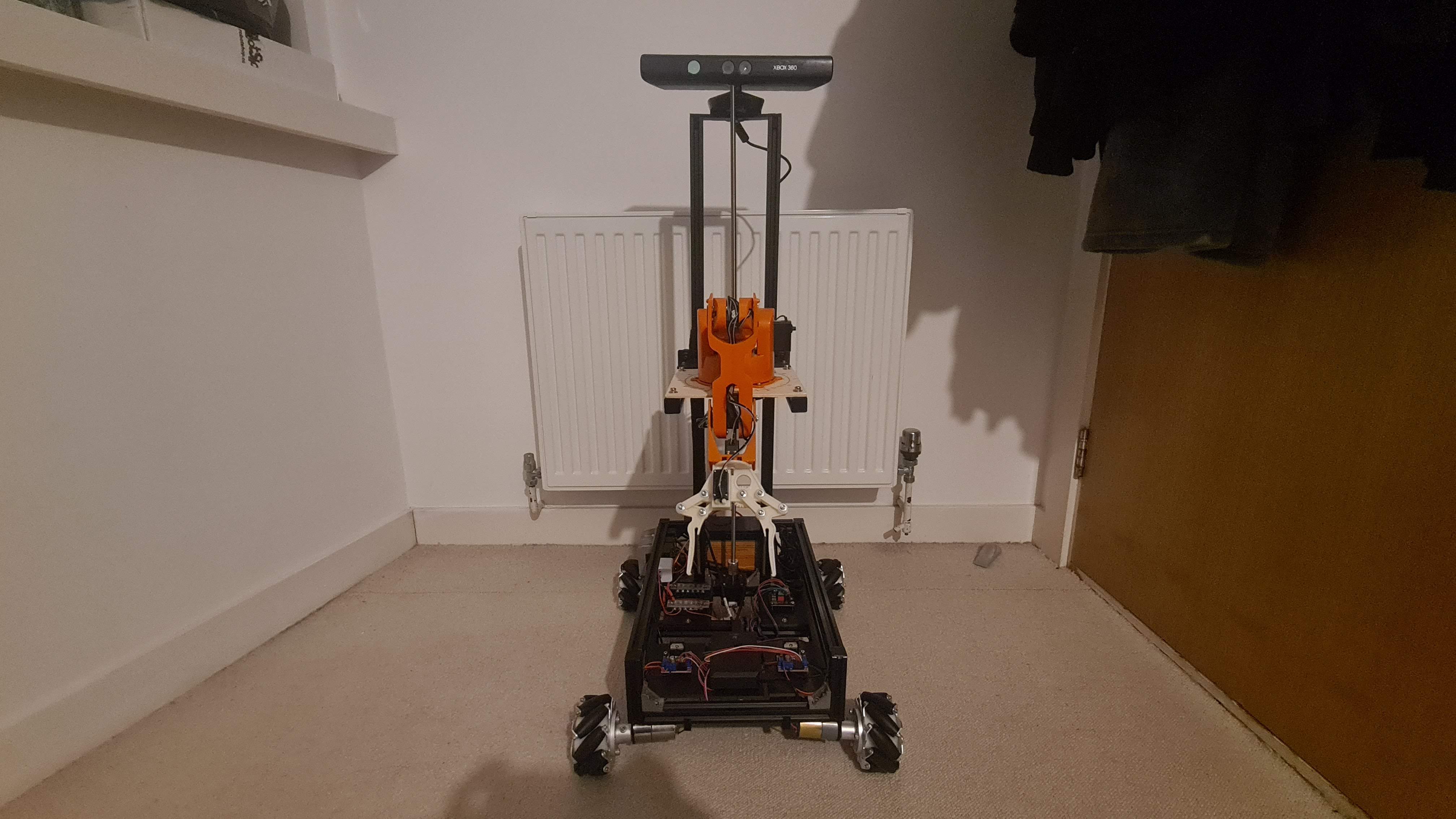
Mai is a VR-teleoperable mobile service robot built on ROS (Robot Operating System).
Ever needed to be at home when you can't be there? Remote in to Mai and complete tasks intuitively using VR. Now at V0.9 with new body panels, auto-launching edge software and Meta Quest support.
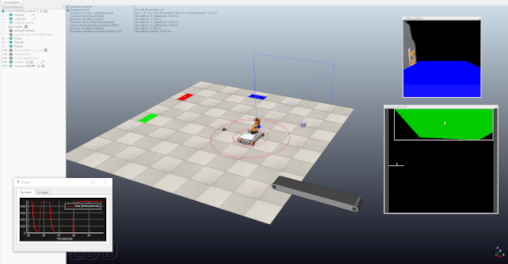
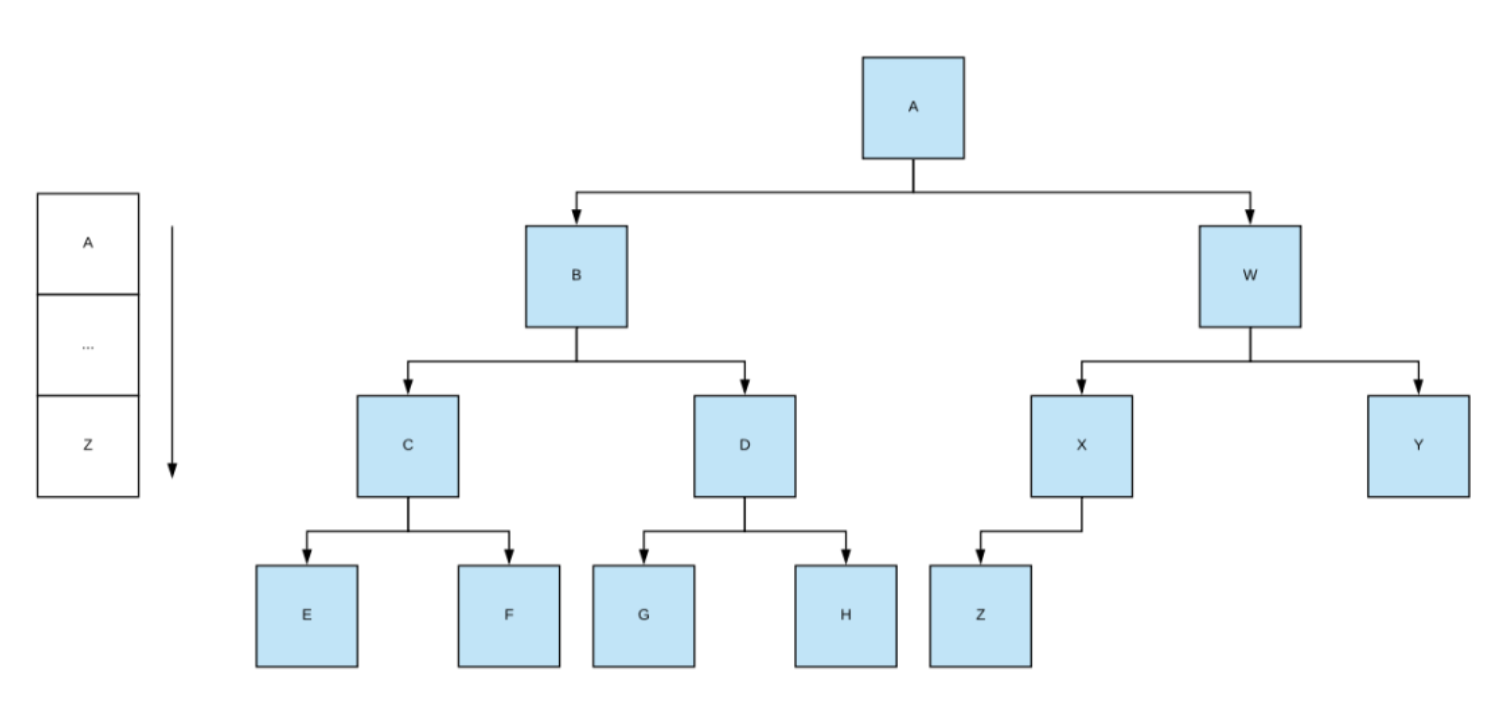
The KUKA youBot performs pick-and-place movement of boxes, localised using computer vision blob detection, within the V-REP simulation platform. Collision avoidance is also implemented using first-order decision logic.
Fault tolerant sensor network, a distributed system
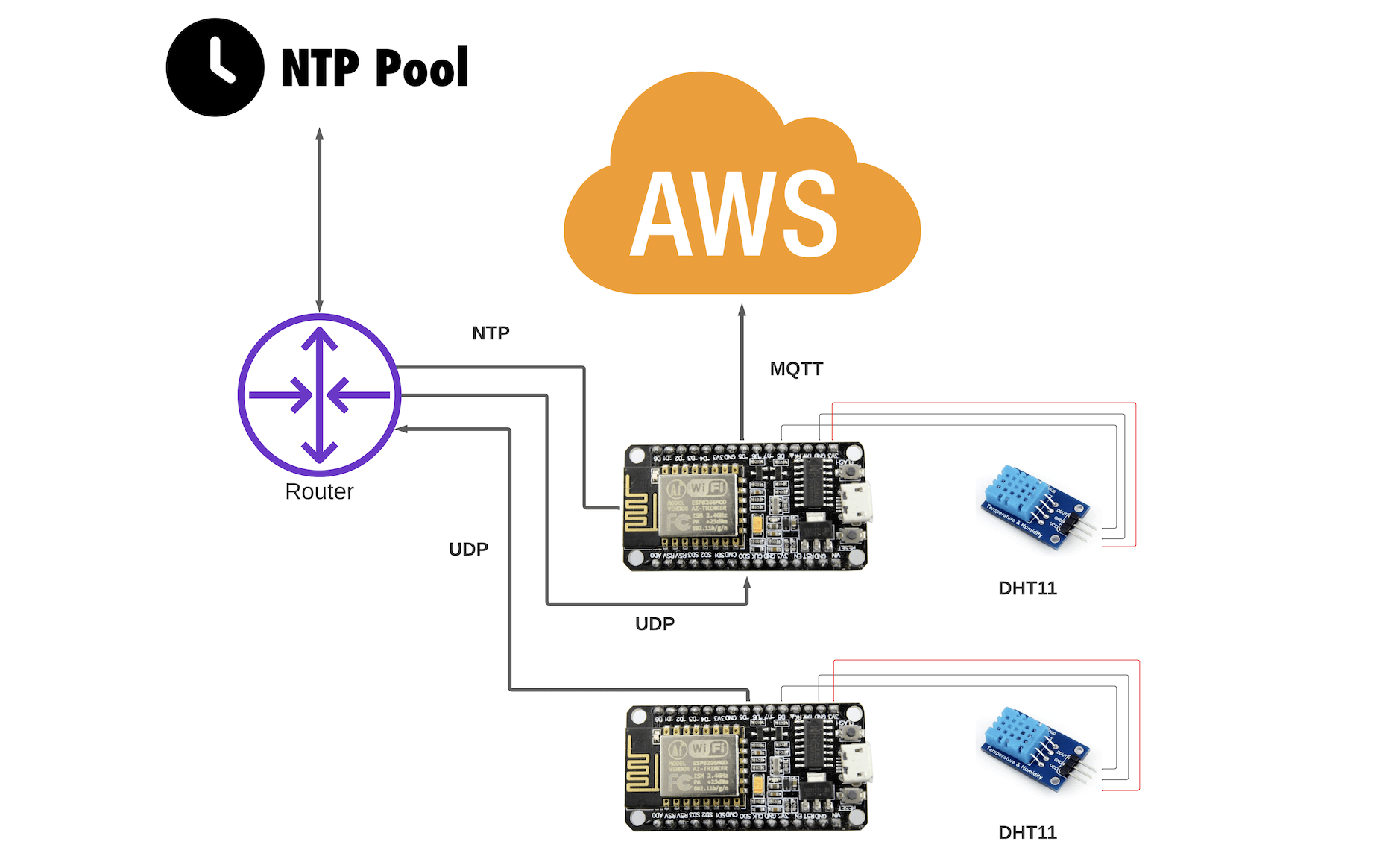
This project proposes a fault-tolerant distributed sensor network architecture integrated with AWS using MQTT, implemented on the open-source NodeMCU hardware platform with the ESP8266 Wi-Fi module. Experiments analyse the effectiveness of the solution, and a poster is presented to illustrate the work.